 Virtual Colossus
The history of the cipher machine
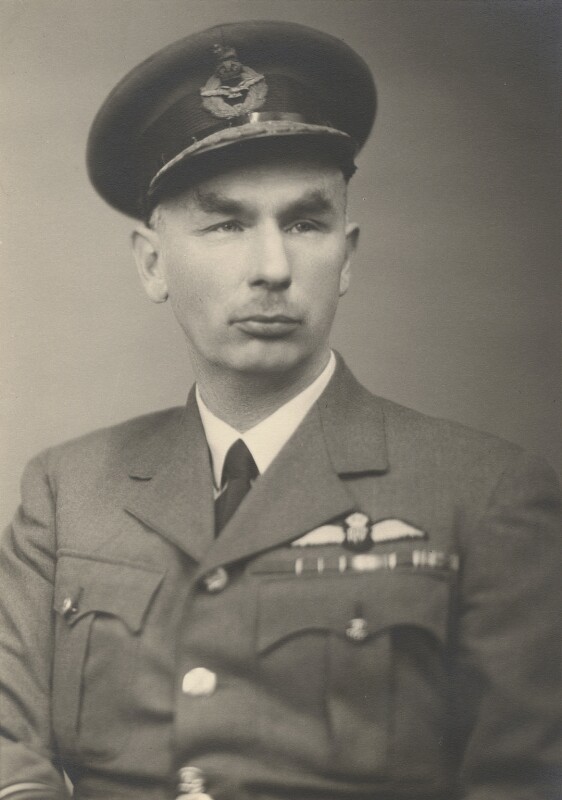
Typex was a rotor-based British cipher machine adapted from the commercial Enigma, with a few changes to make the cipher more secure. It was developed by Wing Commander Oswyn G. W. Lywood, together with Flight Lieutenant Coulson, Mr E. W. Smith and Sergeant Albert Lemon, at the RAF’s wireless establishment at Kidbrooke, south-east London.
The machine has five rotors. The left-hand three turn as on Enigma, while the two right-hand ones can be set at the start of encryption but stay still and don’t turn. The rotors themselves are similar to Enigma’s in function and appearance, but generally have more notches than the standard Enigma rotors, giving a higher level of security.
Typex models
Over its lifetime, several different models of Typex were made, starting with the first prototype in 1934–35.
RAF Enigma with Type X attachments
The first prototype was a cumbersome machine, basically a standard Creed teleprinter with an Enigma rotor basket grafted on the front. The whole machine weighed over 120 pounds (54.4 kg) and needed a 230-volt AC mains supply rather than Enigma’s battery. Its main benefit was its printers, which printed the plain and cipher texts rather than needing a second operator to write down the lit-up lamps as on Enigma.
The new prototype was shown to the Cipher Committee in 1937, but they were unimpressed and refused to authorise further development. Undeterred, the RAF carried on anyway and approached Creed & Company in Croydon, London, to build the first production models.1
Typex Mark I
An initial design and production run of a further twenty-nine machines, based on the original prototype, was built by Creed & Company, the Enigma part of the name having been dropped. These were used to equip the main RAF headquarters in early 1937. (So far I have been unable to find any images of the Typex Mark I: let me know if you have seen one!)
Typex Mark II
The much-improved Typex Mark II was produced by 28 May 1937 and was by far the most widely used Typex model. It had two printers that could handle an impressive 300 characters a minute, but it was not portable like Enigma, weighing around 120 lb (54 kg) and measuring 30 × 22 × 14 inches (760 × 560 × 360 mm). This model had no rewireable plugboard like the military Enigma (an addition unknown at the time), although the two extra static rotors had much the same effect.
It was shown to the Cipher Committee on 14 June, and an order for 350 Mark II machines for the RAF was approved at a cost of £107 8s 0d each. The Navy first ordered five for trials, which arrived by late summer 1939 and were in operation at the Admiralty and in Malta and Gibraltar by the end of the year.
To give an idea of the numbers made, Navy records2 say: “The tests proved successful, and in May 1939, a further 50 machines were ordered for Naval use. After the outbreak of the War, another 575 machines were ordered for the Navy.” and “Further orders for machines to meet Naval requirements were placed at intervals throughout the war up to a total of 3,302. Of this number, some 2,300 had been delivered by the end of hostilities.”
Typex Mark III
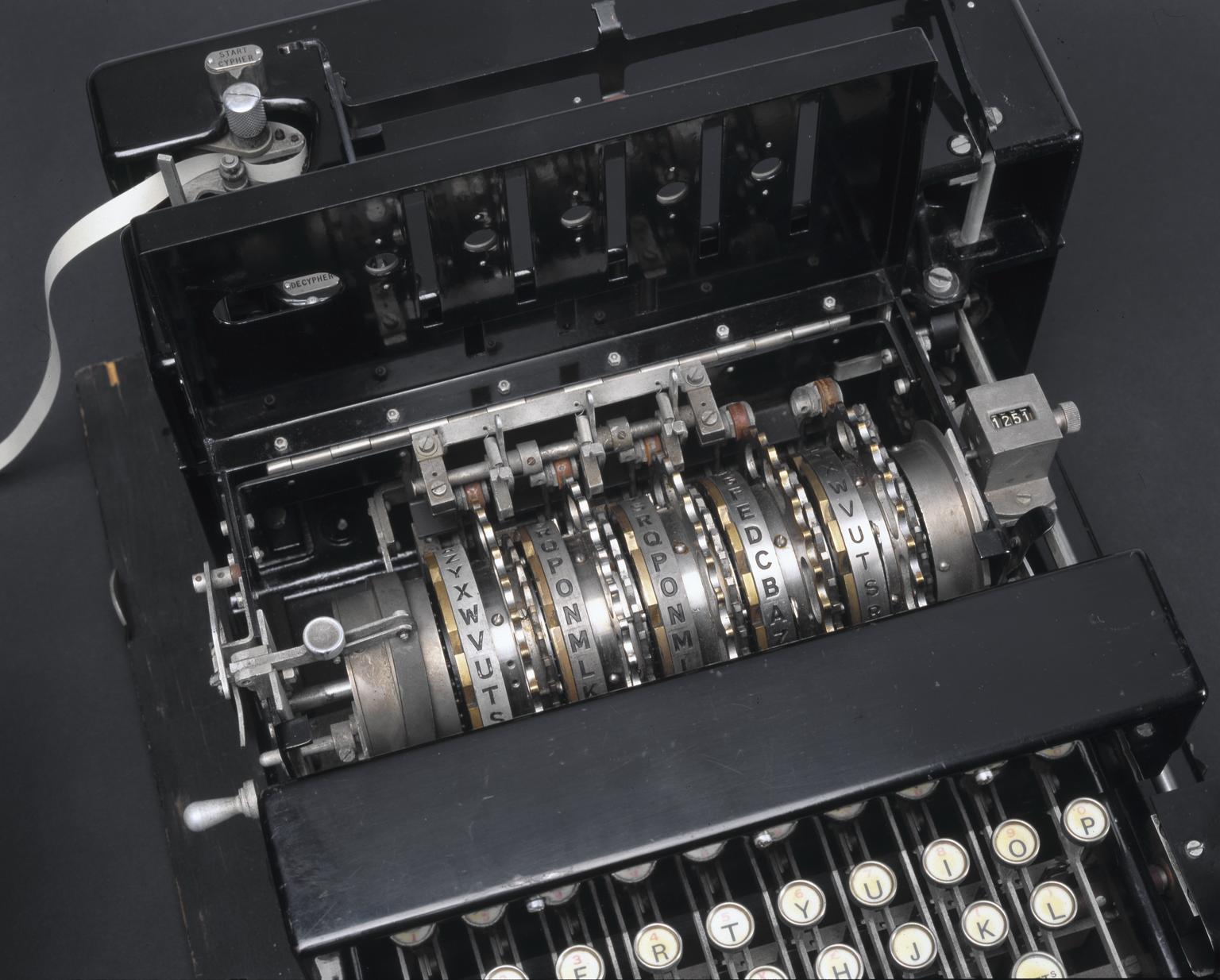
The Typex Mark III is very much like a smaller, hand-operated version of the Mark II. It uses the same cipher wheels and an almost identical rotor basket. It has just one printer, which prints either the cipher text or the plain text on paper tape, depending on the position of the cypher/decypher lever.
The message is typed with the left hand while the right hand turns the handle, which turns the rotors and works the printer. It needs no mains or battery, as turning the handle gives enough mechanical and electrical power through a small generator. The printer uses a continuously inked rotating print head, with the paper pulled onto the head at the right moment to print each character.
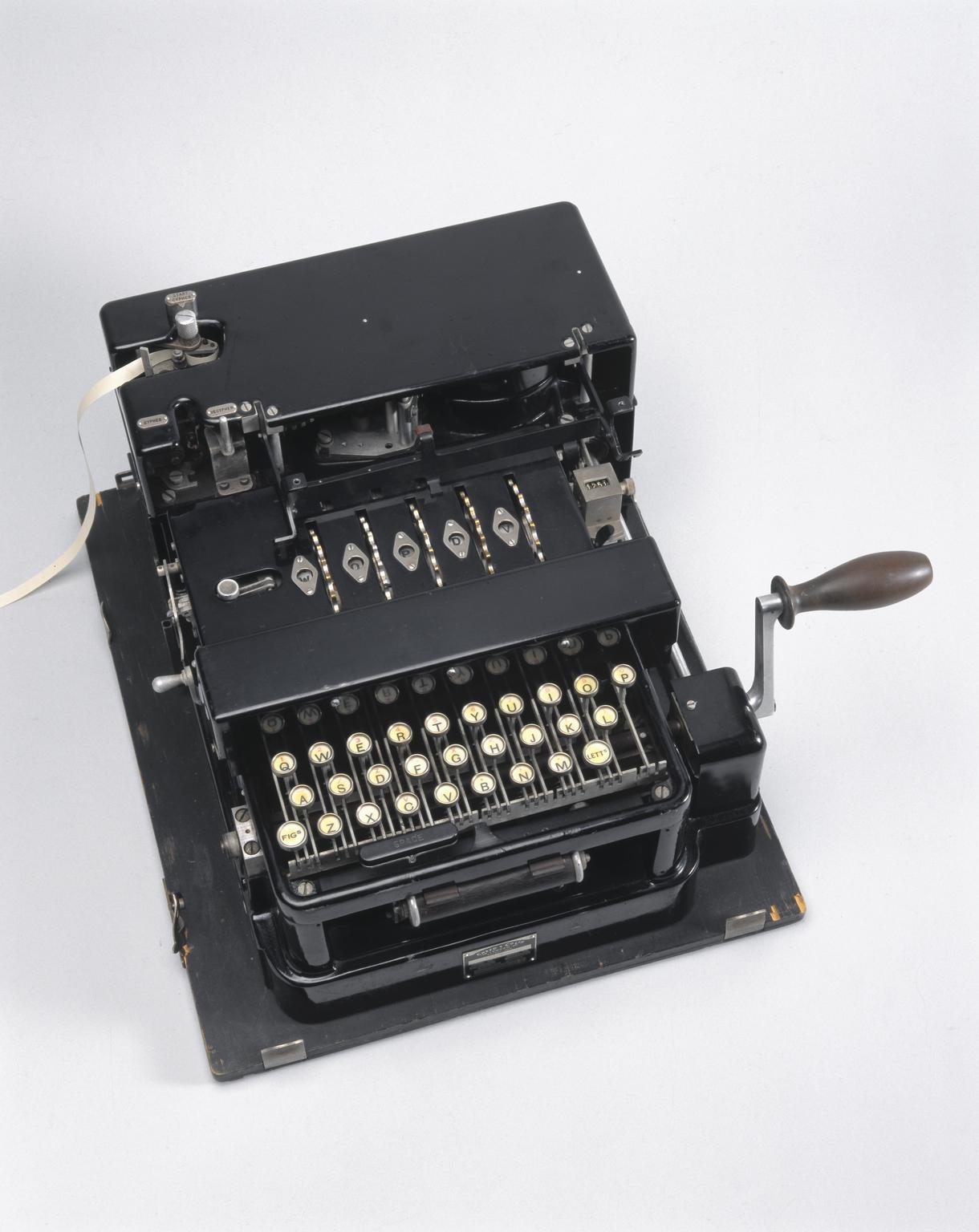
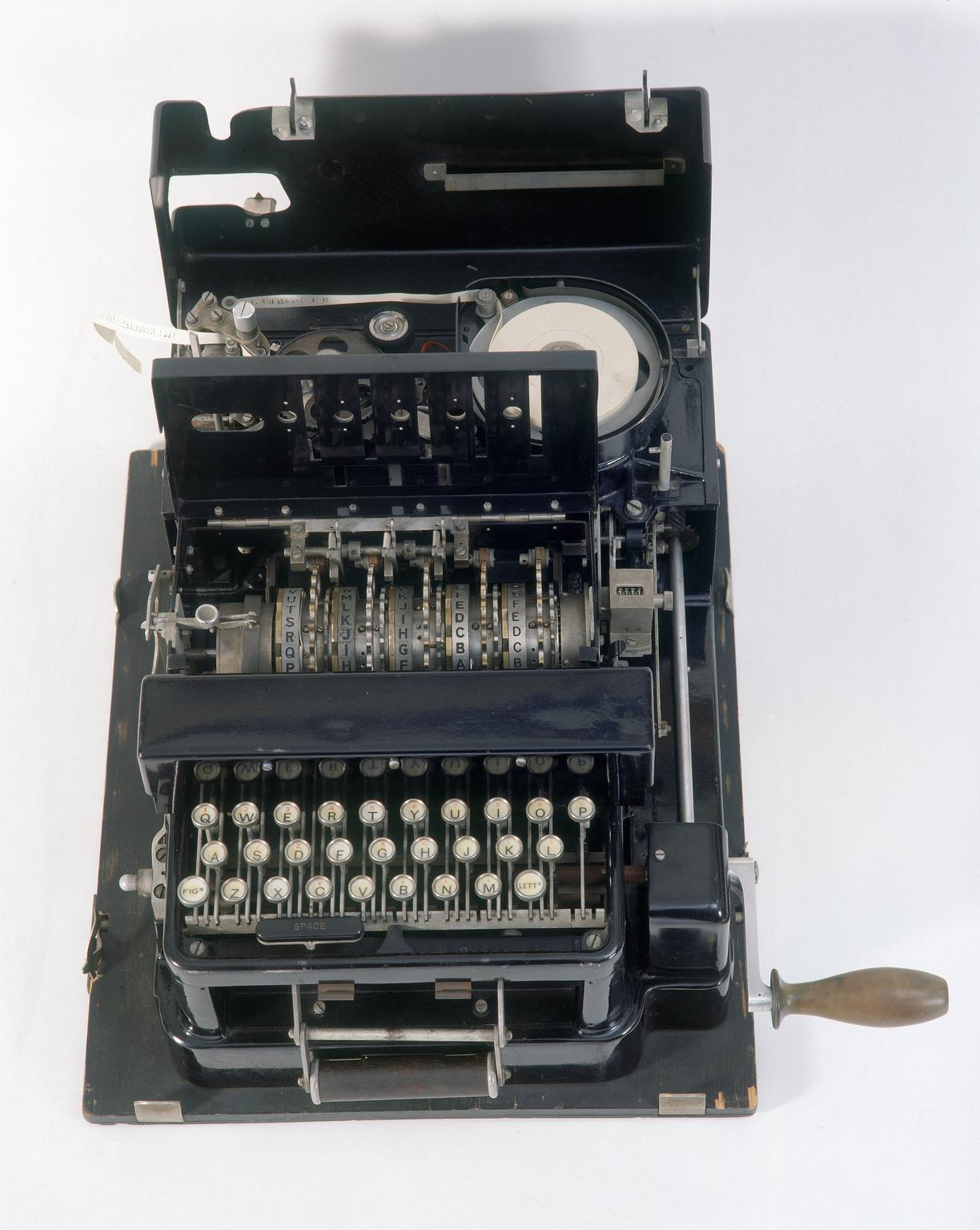
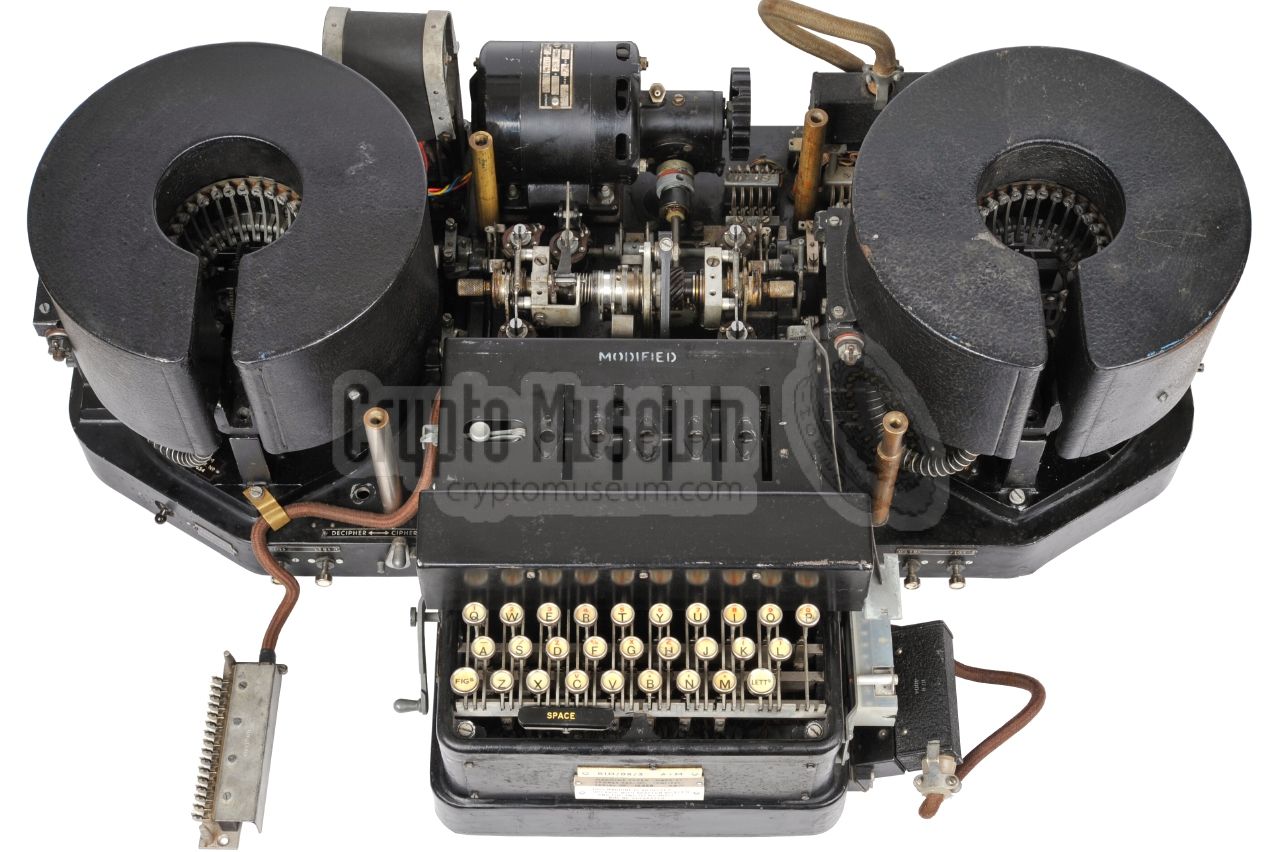
Typex Mark III converted to use a lampboard
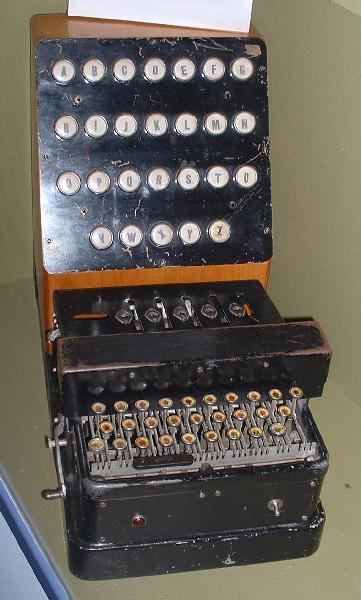
This unique modification of a standard Typex Mark III, at the Communications and Electronics Museum in Kingston, Ontario, replaces the printer with a lampboard. The information below is from Jerry Proc’s crypto website:
“On the surface, it appears that a lampboard has been married to a MK III Typex keyboard with a slightly modified rotor basket, however there is no evidence of the crank normally found on the right side of the machine. Since this variant needs power for the lamp board and the Mk III doesn’t, one can only speculate if the entire machine uses power thus eliminating the crank for the internal power generator.
This variant may have been created for the purposes of training operators or maintainers in order to illustrate the principle of the Typex since the machine was actually modelled on the German Enigma. Another theory suggests this variant was used at Camp-X near Oshawa, Ontario in an operational capacity.”
Typex Mark IV
The Typex Mark IV was built around the Creed Model 7 teleprinter and printed the text on rolls of message forms.
Typex Mark V
There isn’t much information about this model. It was possibly an experimental or limited-production model.
Typex Mark VI
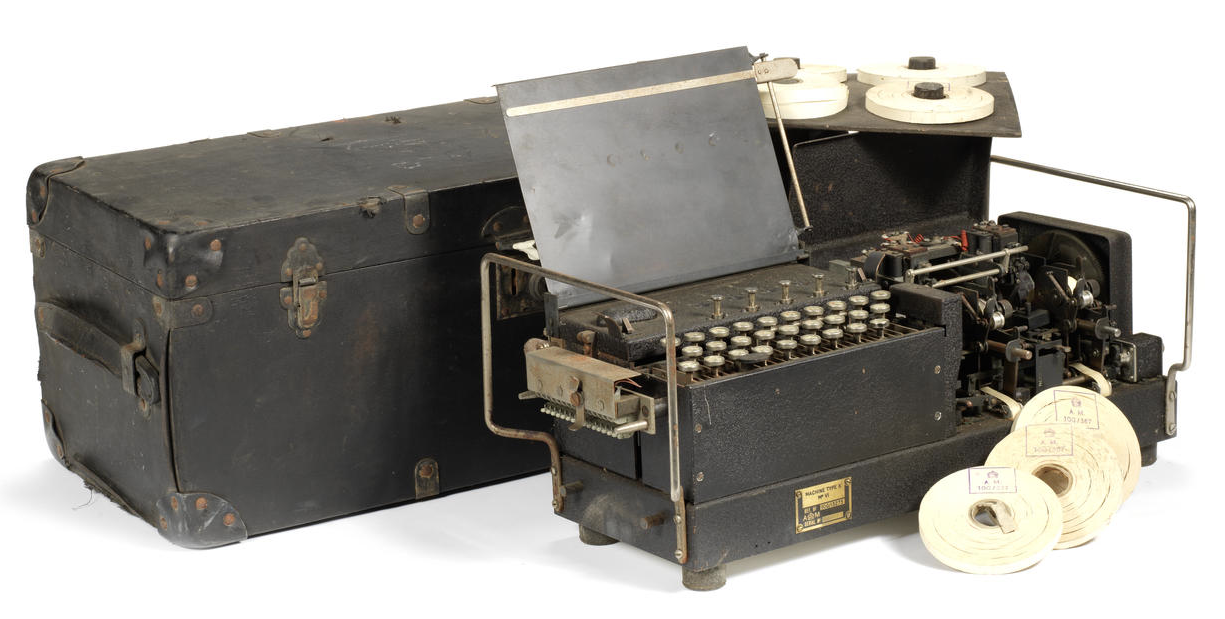
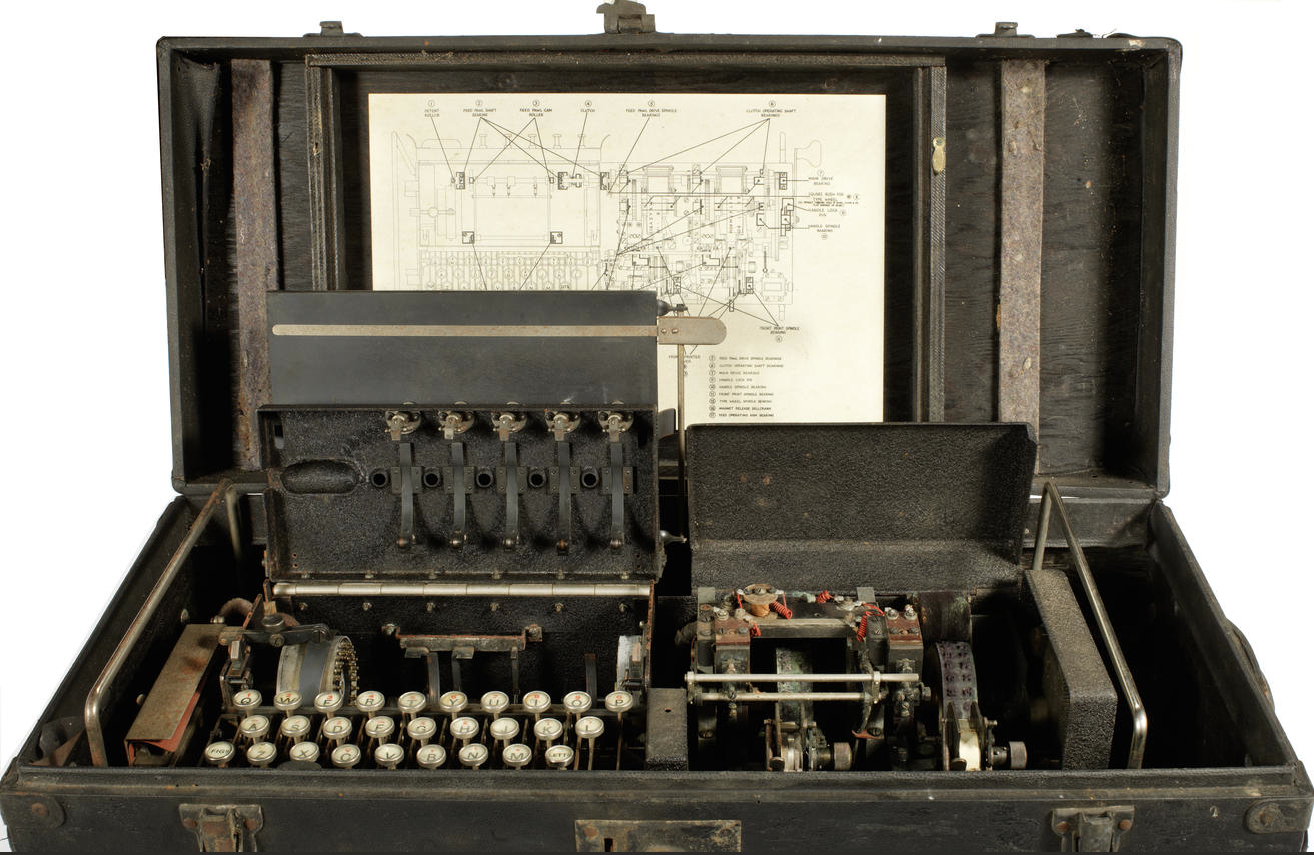
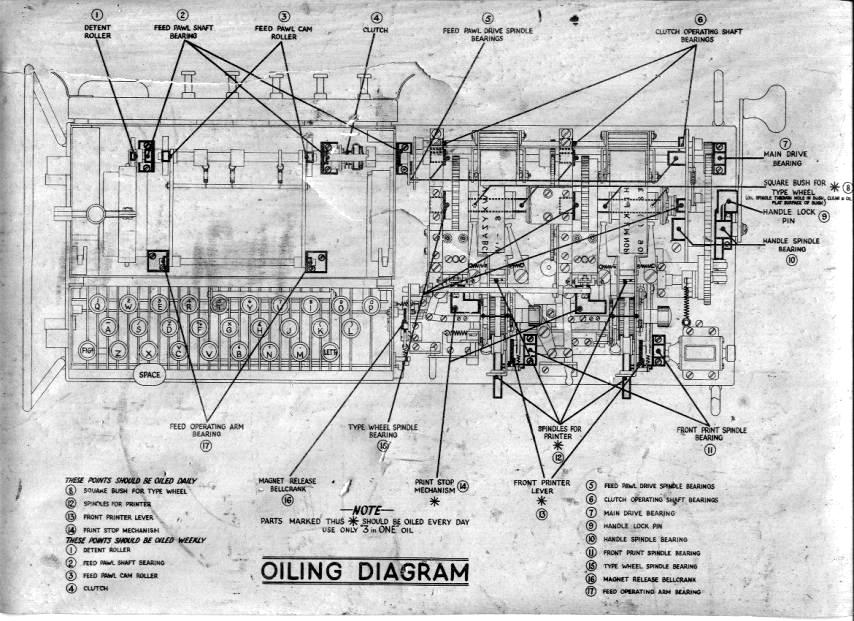
The Typex Mark VI (Mk 6) was another portable model, which used a different size of cipher wheel (possibly to make the machine smaller). It weighed around 30 pounds (13.6 kg) and measured 20 × 12 × 9 inches.
It was laid out differently from the other machines, with the keyboard and drum unit on the left and two printers on the right, printing onto the same pre-gummed 9.6 mm paper strip.
Typex Mark VII
There isn’t much information about this model. It was possibly an experimental or limited-production model.
Typex Mark VIII
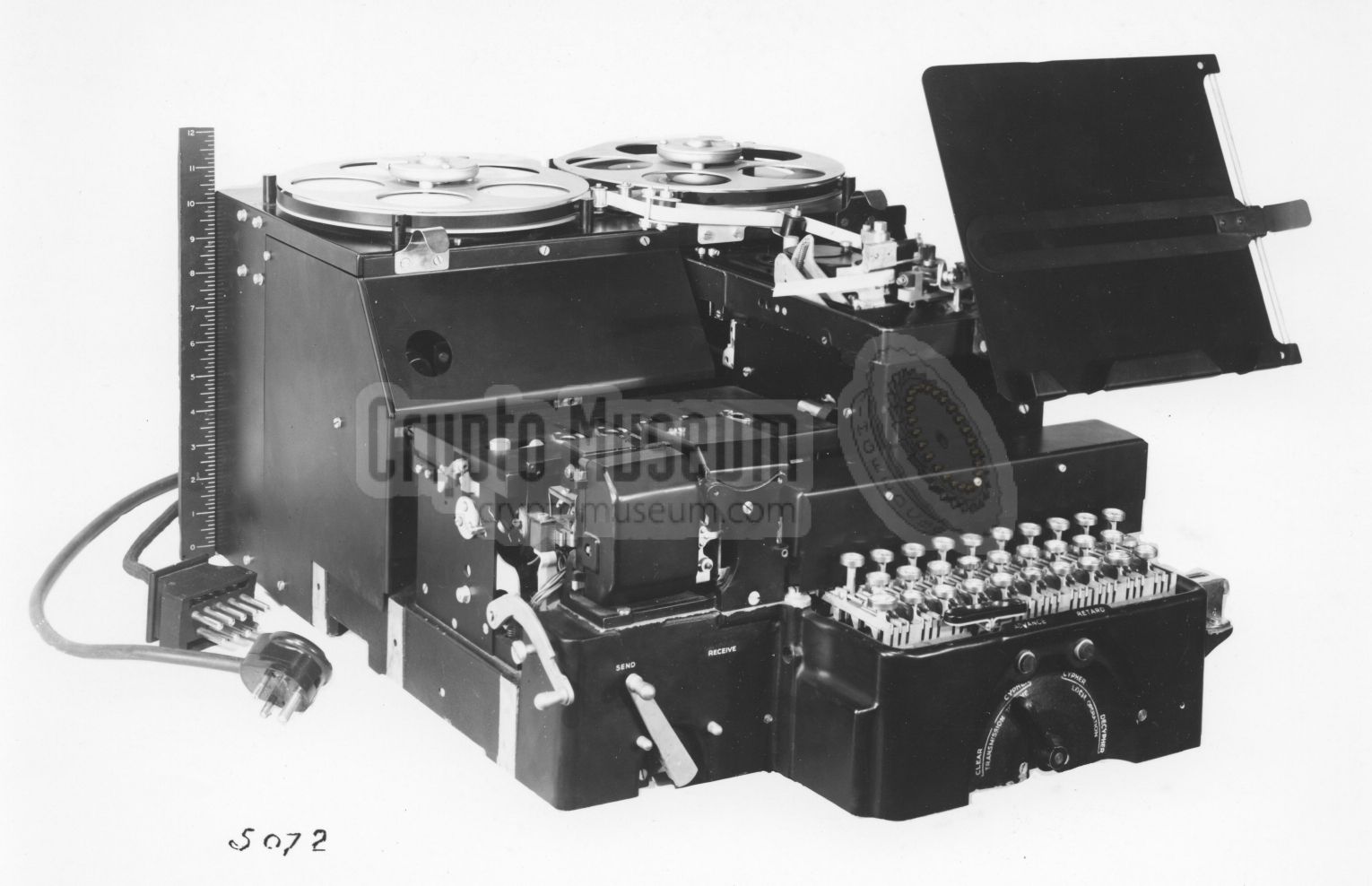
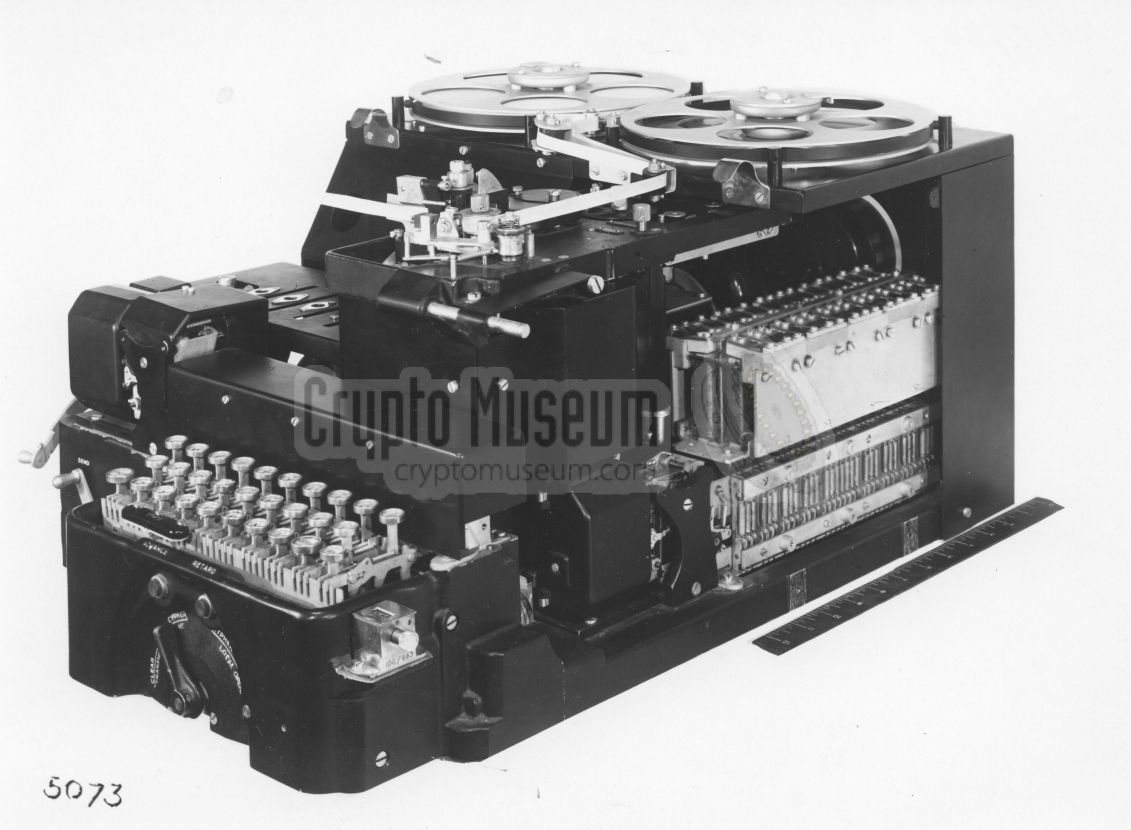
The Typex Mark VIII was the first model that could work with other Typex machines, sending and receiving Morse code transmissions and automatically turning them into printed plain text.
The rotor cage is on the left, to make room for the Morse perforator, which sits behind the keyboard on the right.
Typex Mark 22
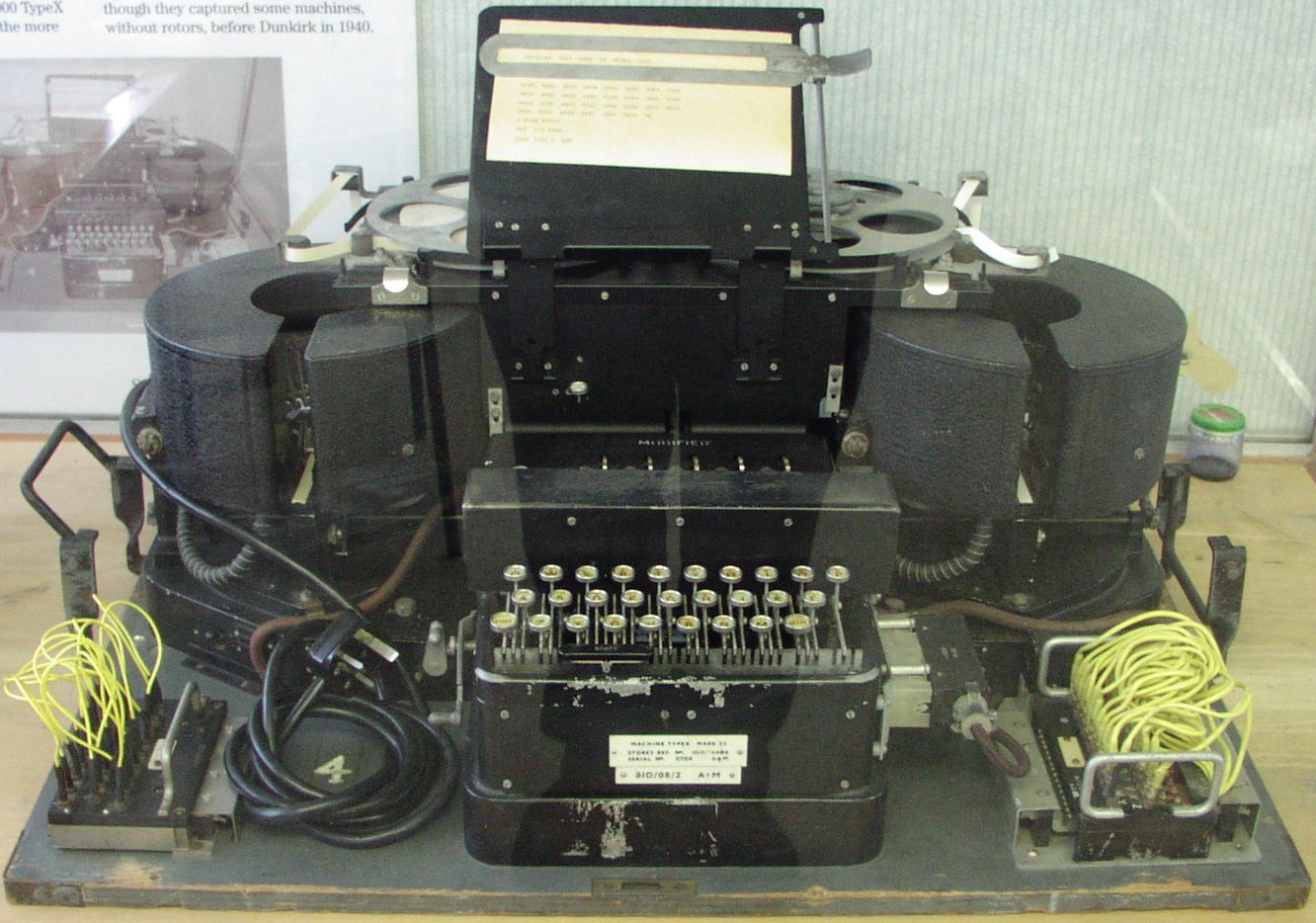
The Mark 22 was basically the Mark II with two plugboards added for extra security, and this is the model simulated on this site. The name comes from Mark II, variant 2, so (I believe) it was pronounced “Mark two-two” rather than “twenty-two”.
The plugboards are listed as being added around November 1941, but weren’t brought into force until around March 1942, when enough machines with them were available.
The left-hand plugboard is a rewireable reflector, while the right-hand one works like Enigma’s plugboard but doesn’t need the wiring to be reciprocal. Enigma’s plugboard cables swapped letters in pairs (A to D and D to A), whereas the Typex version allowed any letter to go to any other, increasing the number of possible combinations while keeping compatibility with Enigma.
This compatibility made the Mark 22 very useful as an Enigma analogue, and it was used at Bletchley Park to decipher Enigma messages once the day key had been recovered on the Bombes. With potentially thousands of messages a day, a quicker way to decipher them than using the few captured military Enigma machines by hand was essential.
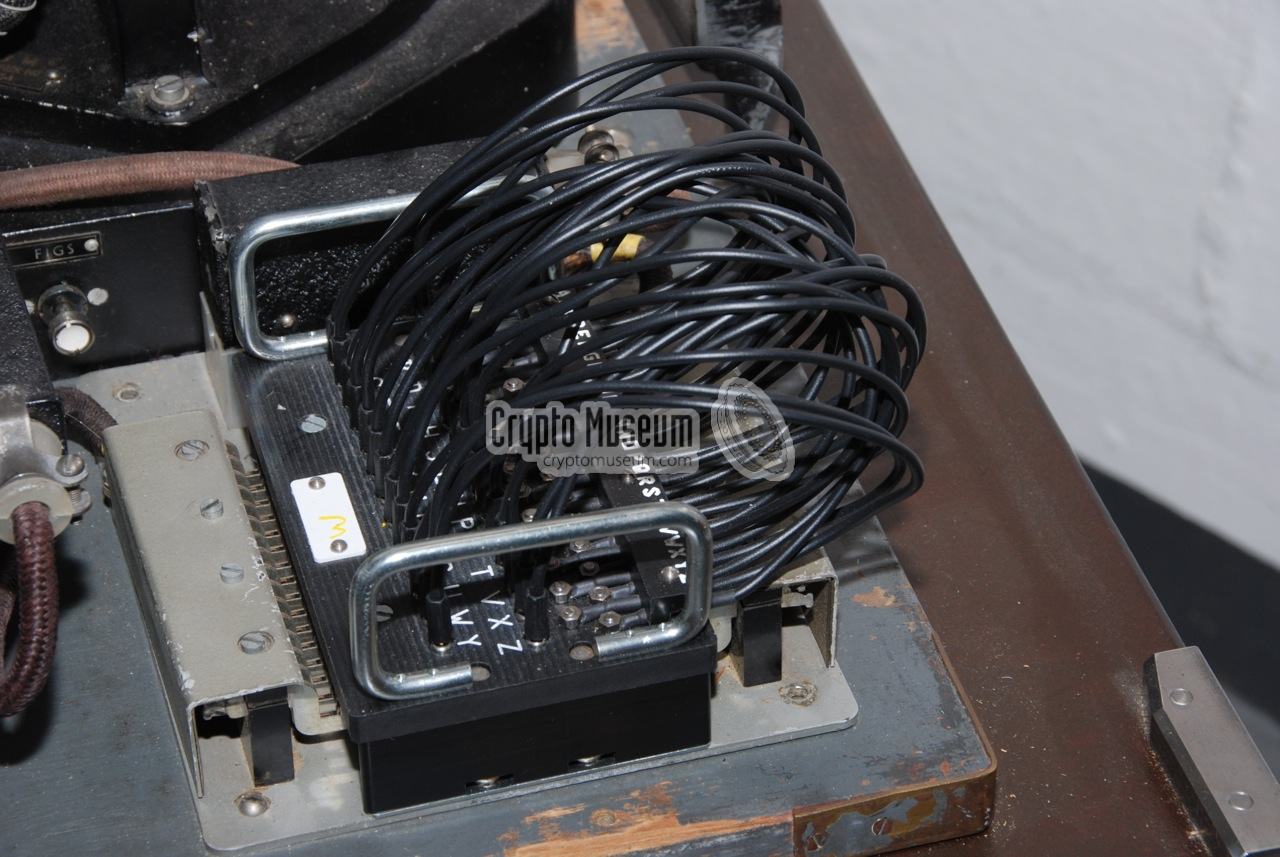
Typex Mark 23 (with the CCM, Combined Cipher Machine)
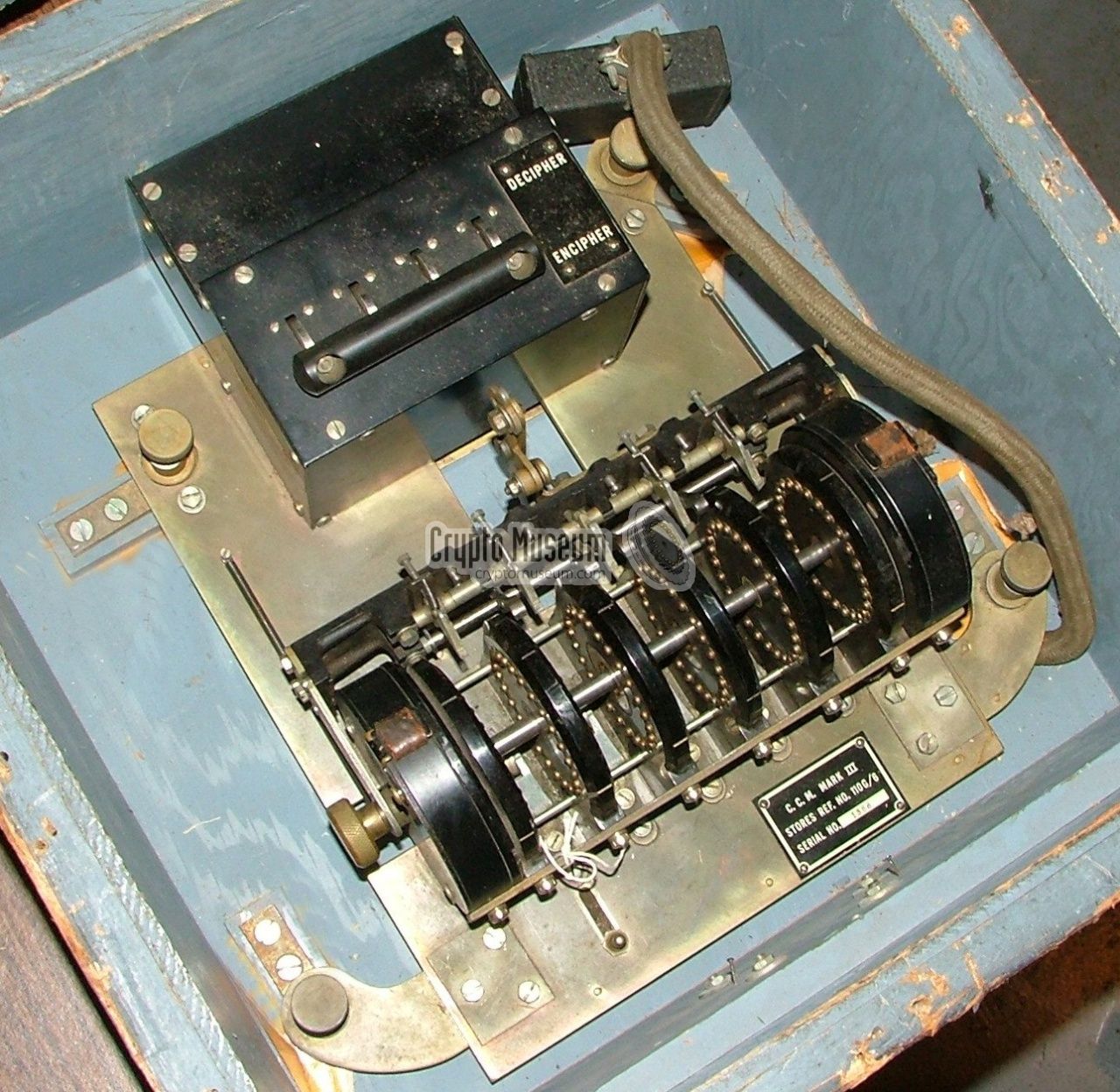
In 1943 the British and Americans needed a way to exchange cipher messages. The Americans had seen the Typex Mark II but had not released the details of their own cipher machine, SIGABA. Conversion kits were made for each machine to give a common cipher between them. The whole converted Typex and SIGABA system was known as the CCM, or Combined Cipher Machine, while a Typex with the CCM adaptor fitted was known as the Typex Mark 23.
For Typex, an adaptor kit was released to upgrade the standard Typex Mark 22. It included the CCM adaptor itself, a kit of tools and spares, four pillars, a front and rear plug and socket, an extra 30-ohm resistor, and various junction blocks, wiring and brackets. The kit could be fitted by engineers on site, but needed holes drilling and wiring splicing in. A new socket was fitted at the front right by the keyboard, plus another with a cable at the back.
To fit the CCM adaptor, it was screwed down onto the mounting pillars and the feed pawl lever was connected. The connector from the CCM was plugged into the socket behind the printer, and the plug that had been in that socket was connected to the socket on the side of the CCM. A plug and socket from the keyboard also had to be swapped over. This made it fairly easy to switch between CCM and Typex modes.
For more on how the CCM and SIGABA worked, see cryptomuseum.com.
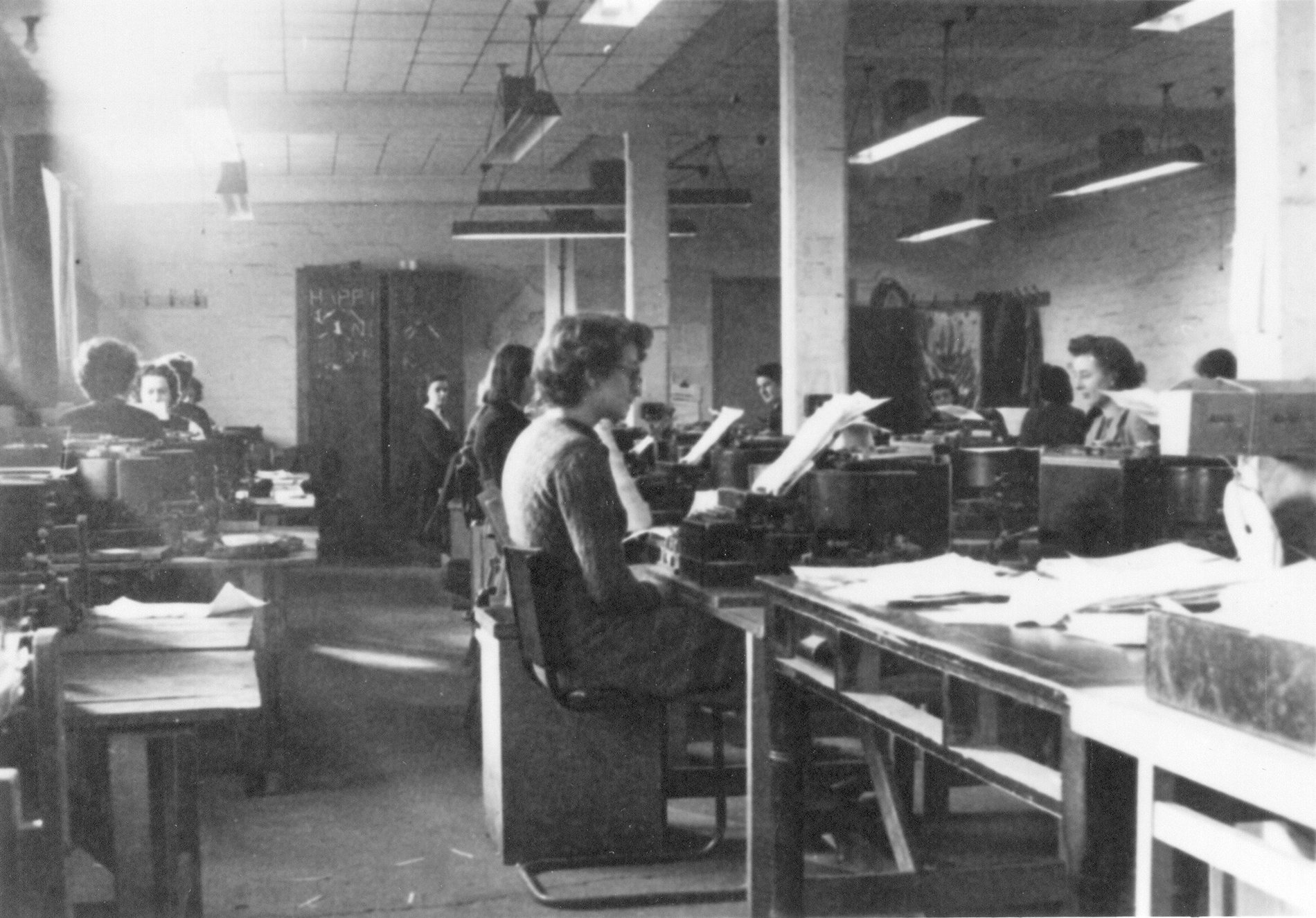
Typex in use
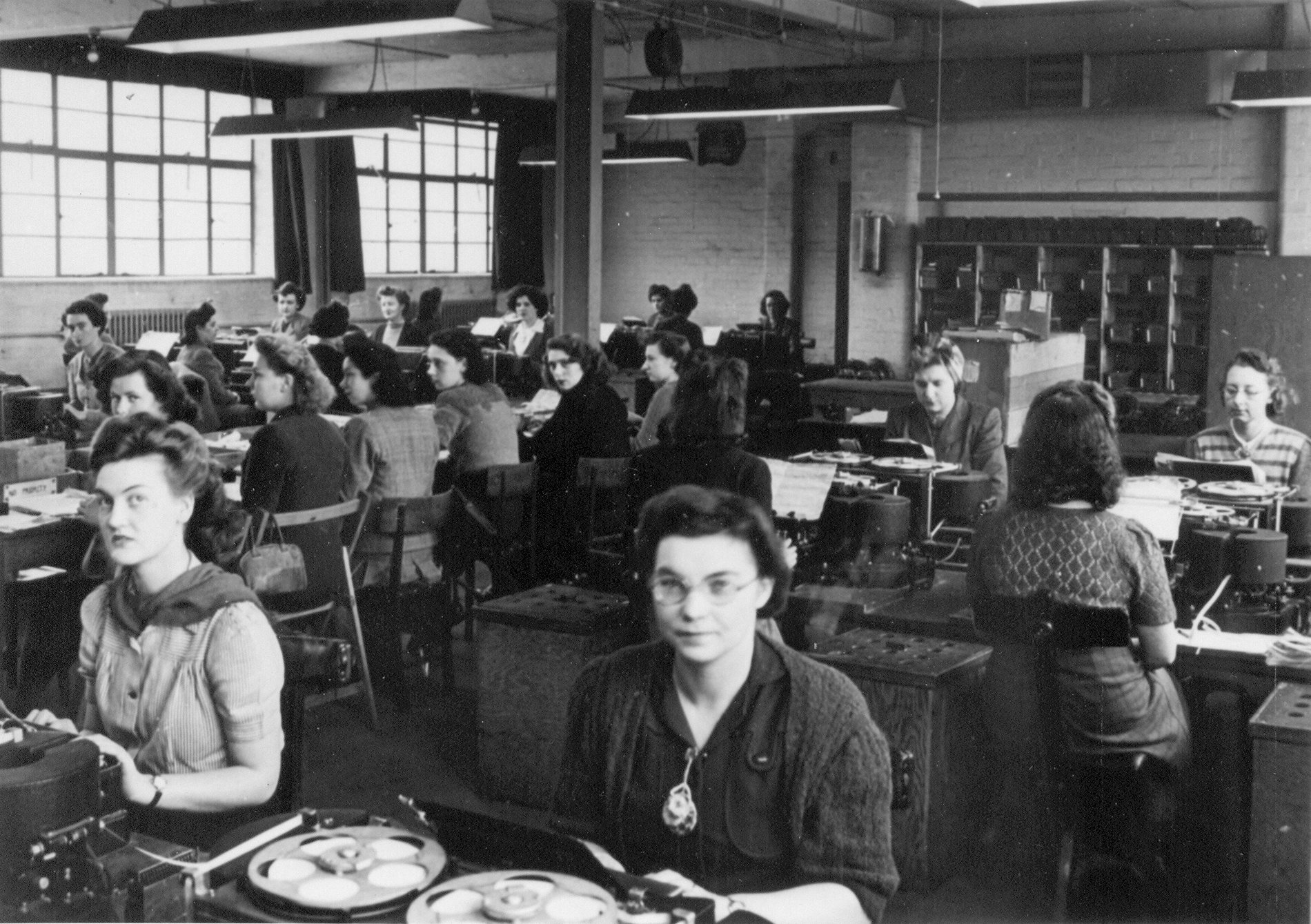
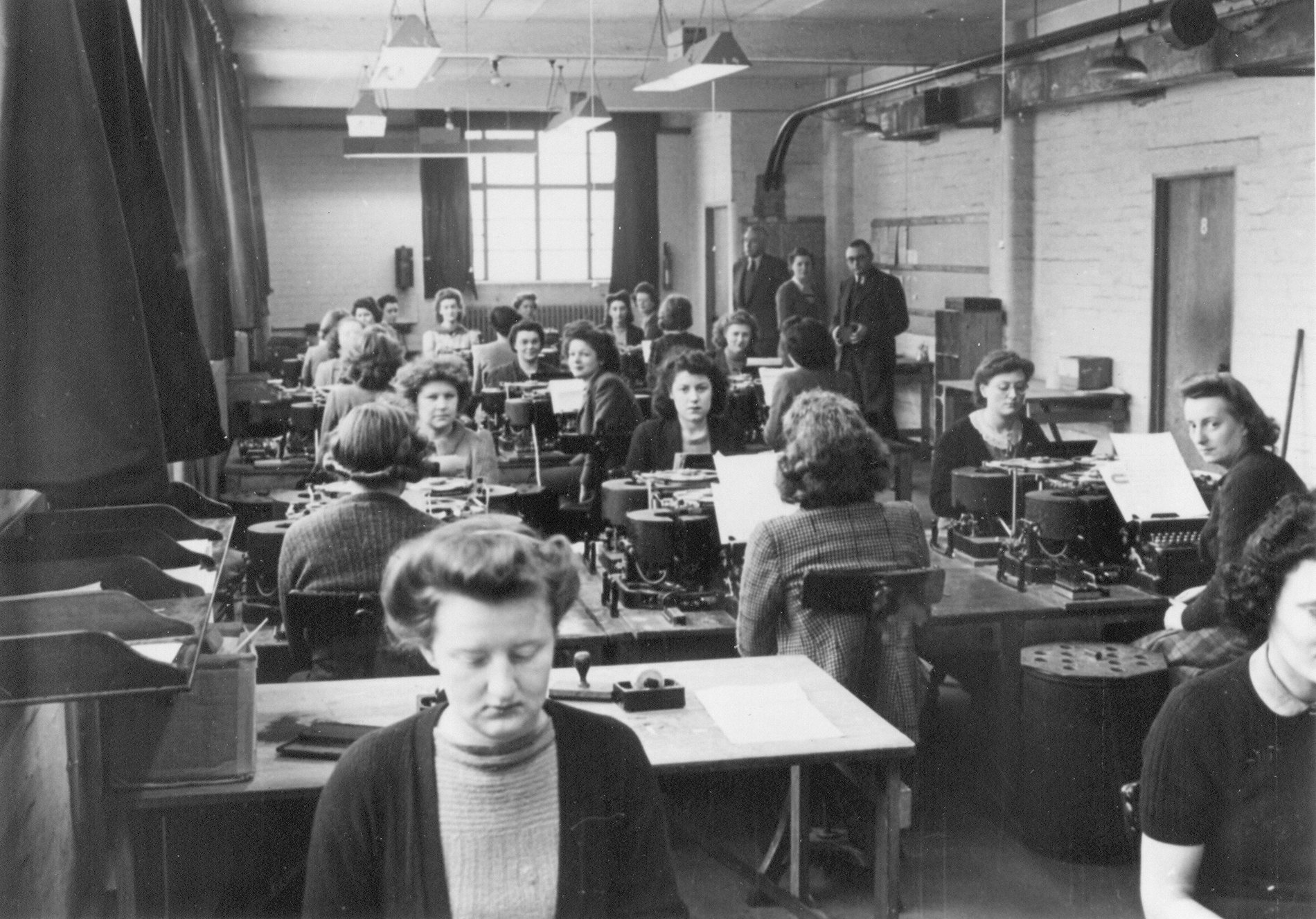
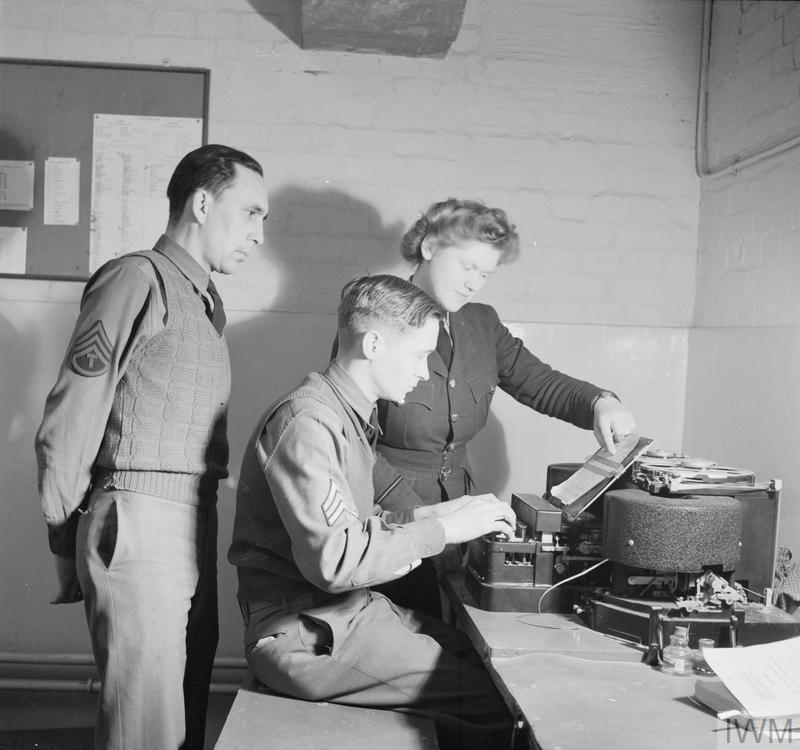
Here are some of the few photos available of Typex in use at Bletchley Park during World War II, where, being compatible with Enigma, it was used to decipher German messages.
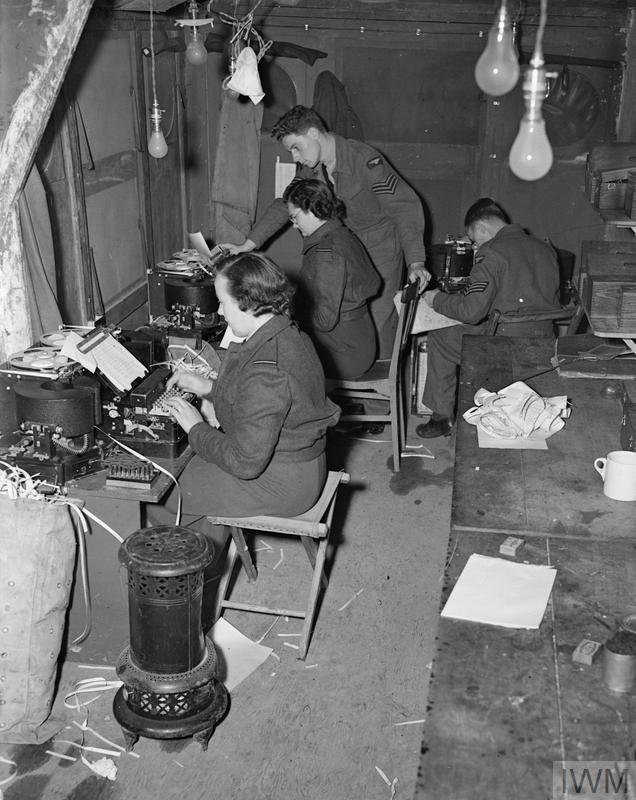
And here are photos of Typex in use elsewhere in the world during the war.
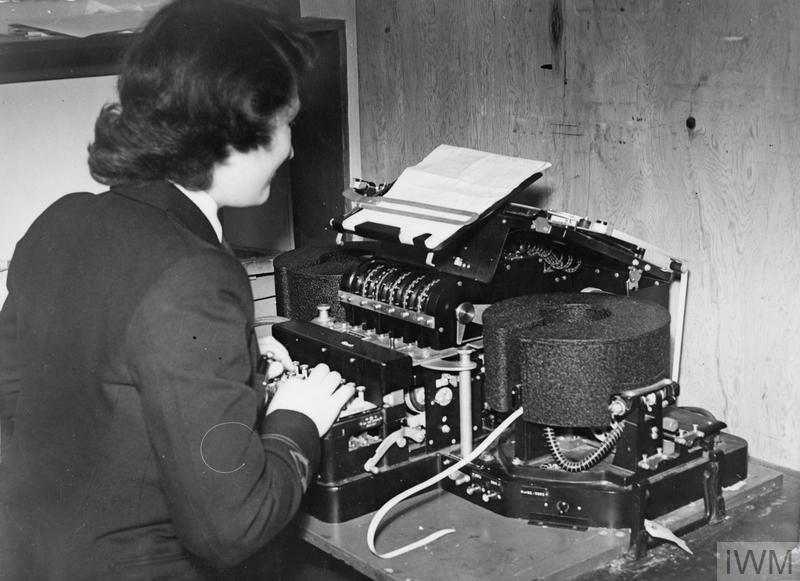
Virtual Colossus note: this appears to be a Mark 23 CCM, used to communicate with the American CCM/SIGABA, as you can clearly see the five CCM-style rotors. The photo also appears to be reversed (you are looking at the left-hand side of the machine).
Notes
- From Typex: history and development, by Jerry Proc: “Appendix 8 from the book Betrayal At Pearl Harbor by James Rusbridger and Eric Nave, provides an excellent account of the history and development of the Typex.”
- TICOM document ADM 1-27186, available to view on archive.org.
Next: how did Typex work?