 Virtual Colossus
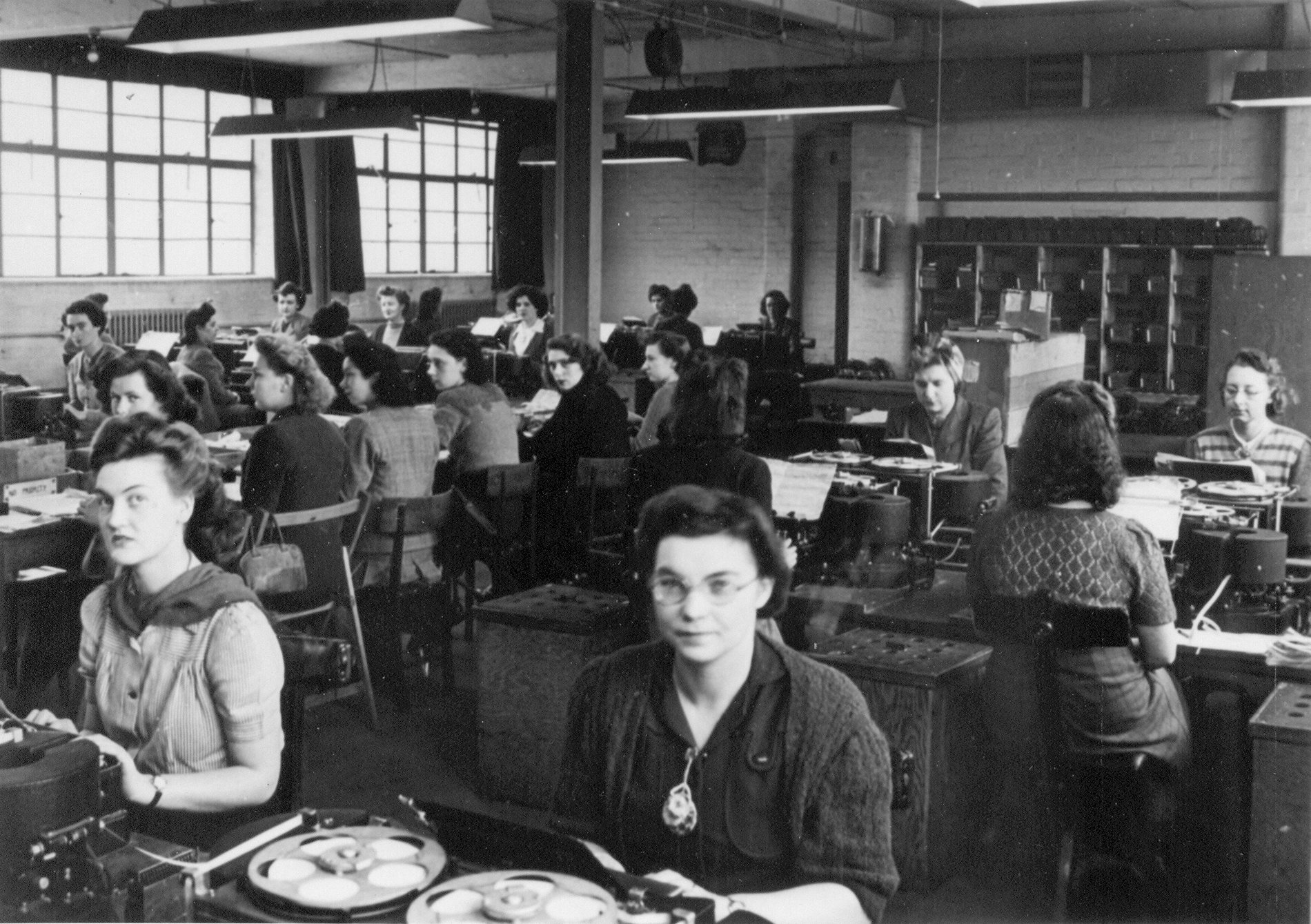
A Virtual Colossus simulation
Typex
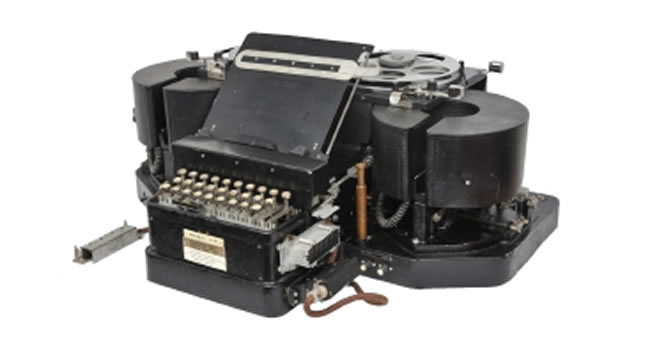
A virtual simulation of the British Typex cipher machine: the answer to “if the Germans had Enigma, what did the British use?”
- Developed by
- Wing Commander O. G. W. G. Lywood, RAF
- First prototype
- 1934–35
- Simulated
- Typex Mark 22
What is a Typex cipher machine?
If you’ve ever asked “if the Germans had Enigma, what did the British use to encrypt messages?”, Typex is probably the answer you’re looking for.
Typex machines were rotor-based cipher machines developed in the UK from 1934 onwards. Typex was based on the commercial German Enigma machine, with a few changes to make it more secure.
Typex was used by the British to send and receive messages during WW2. Because it was compatible with Enigma, it was also used at Bletchley Park to decipher Enigma messages once the day key had been found using the Bombes.
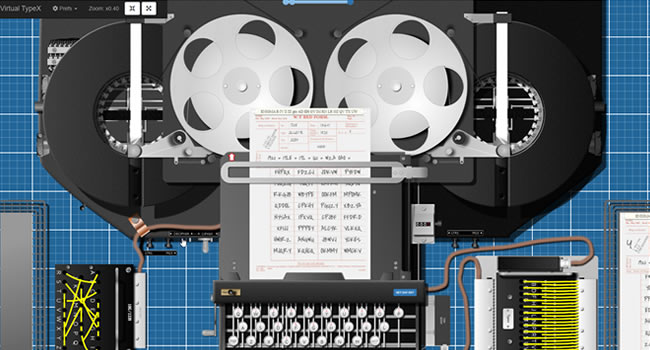
All Virtual Colossus simulations
Every simulation runs in your web browser, with nothing to install.
Cipher machines
Machines that enciphered messages during the Second World War and after.
-
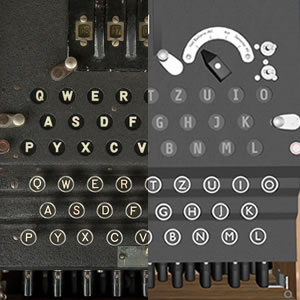
Virtual Enigma
The German rotor cipher machines, broken first by Polish mathematicians and then daily at Bletchley Park. Two models to use.
Visit Virtual Enigma -
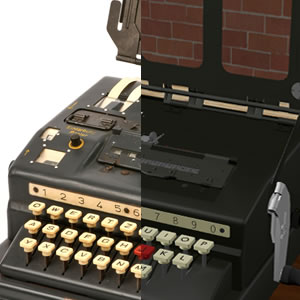
Virtual Schlüsselgerät 41
A mechanical pin-wheel cipher machine designed by Fritz Menzer as a replacement for Enigma.
Visit Virtual Schlüsselgerät 41 -
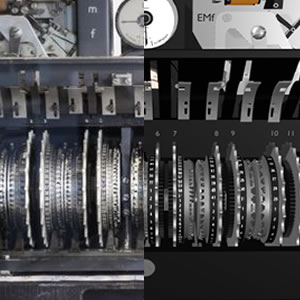
Virtual Lorenz SZ40/42
The teleprinter cipher attachment used by the German High Command. The machine Colossus was built to break.
Visit Virtual Lorenz SZ40/42 -
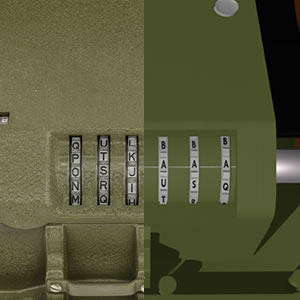
Virtual Hagelin M-209
A portable mechanical cipher machine used by the US military in World War II and up to the Korean War.
Visit Virtual Hagelin M-209 -
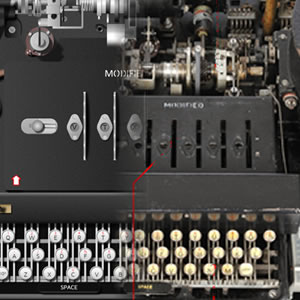
Virtual Typex
The British cipher machine, also used at Bletchley Park to decipher Enigma messages once the Bombes had found the day key.
Run this simulation
Code-breaking machines
Equipment built to break enemy ciphers at Bletchley Park.
-
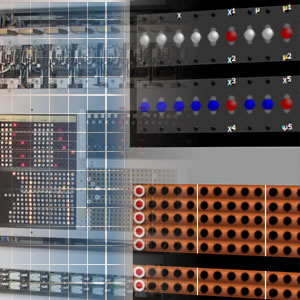
Virtual Colossus
The first electronic computer, which broke the German Lorenz cipher during WW2 at Bletchley Park.
Visit Virtual Colossus -
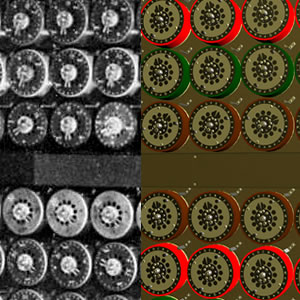
Virtual Turing-Welchman Bombe
The electro-mechanical device used at Bletchley Park and its outstations to help break the Enigma cipher.
Visit Virtual Turing-Welchman Bombe -
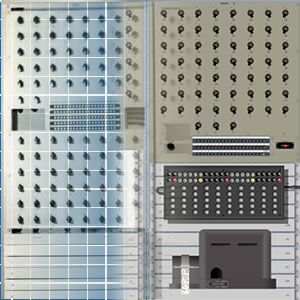
Virtual Dragon
Built by the US Signal Security Agency and used at Bletchley Park to search Lorenz messages for a crib.
Visit Virtual Dragon
Post-war computers
British computers from the decades after the war.
-
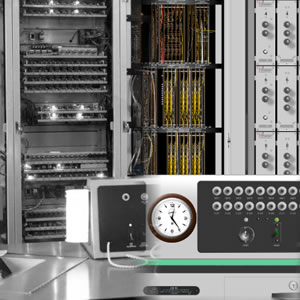
Virtual ERNIE
The Electronic Random Number Indicator Equipment, built to pick the monthly Premium Bond prize winners.
Visit Virtual ERNIE -
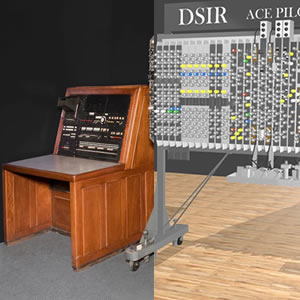
Virtual Pilot ACE
One of the first computers built in the UK and one of the earliest stored-program computers, based on Alan Turing’s design.
Visit Virtual Pilot ACE -
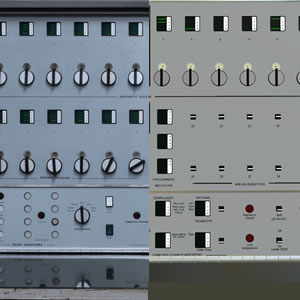
Virtual ICT 1301 (Flossie)
A working simulation of the second-generation ICT 1301 computer, serial number 6, known as Flossie.
Visit Virtual ICT 1301 (Flossie)
About the Virtual Colossus project
Virtual Colossus is a browser-based simulation project that started with the world’s first programmable electronic digital computer and, over its ten-year history, has grown to include many other machines. It brings the machines of Bletchley Park, from the Colossus Mark 2 to Enigma, the Lorenz SZ42 and the Bombe, and the computers that followed them, to life in fully interactive 3D. Rather than looking at photographs, you can step into the operators’ shoes: plug in patch cables, flip switches and watch the valves warm up.
The vision behind the project
The project is the work of developer Martin Gillow, created both to stop this history being lost and to make it accessible. The physical Colossus rebuild is a massive, delicate machine housed at TNMOC; I wanted a version that could fit in a pocket or run on a laptop, and to make sure that the work started by Tony Sale, the brilliant mind behind the Colossus rebuild, was not forgotten. By carefully modelling the physics, sounds and logic of the original hardware, Virtual Colossus lets anyone experience the tactile nature of early computing and cipher machines.
Why it matters
The goal is functional accuracy, not just looks. By simulating the actual logic of each machine, the project demystifies how early computing and cipher technology worked, and stands as a digital monument to the people whose work helped shorten the war and shaped the computers that came after.